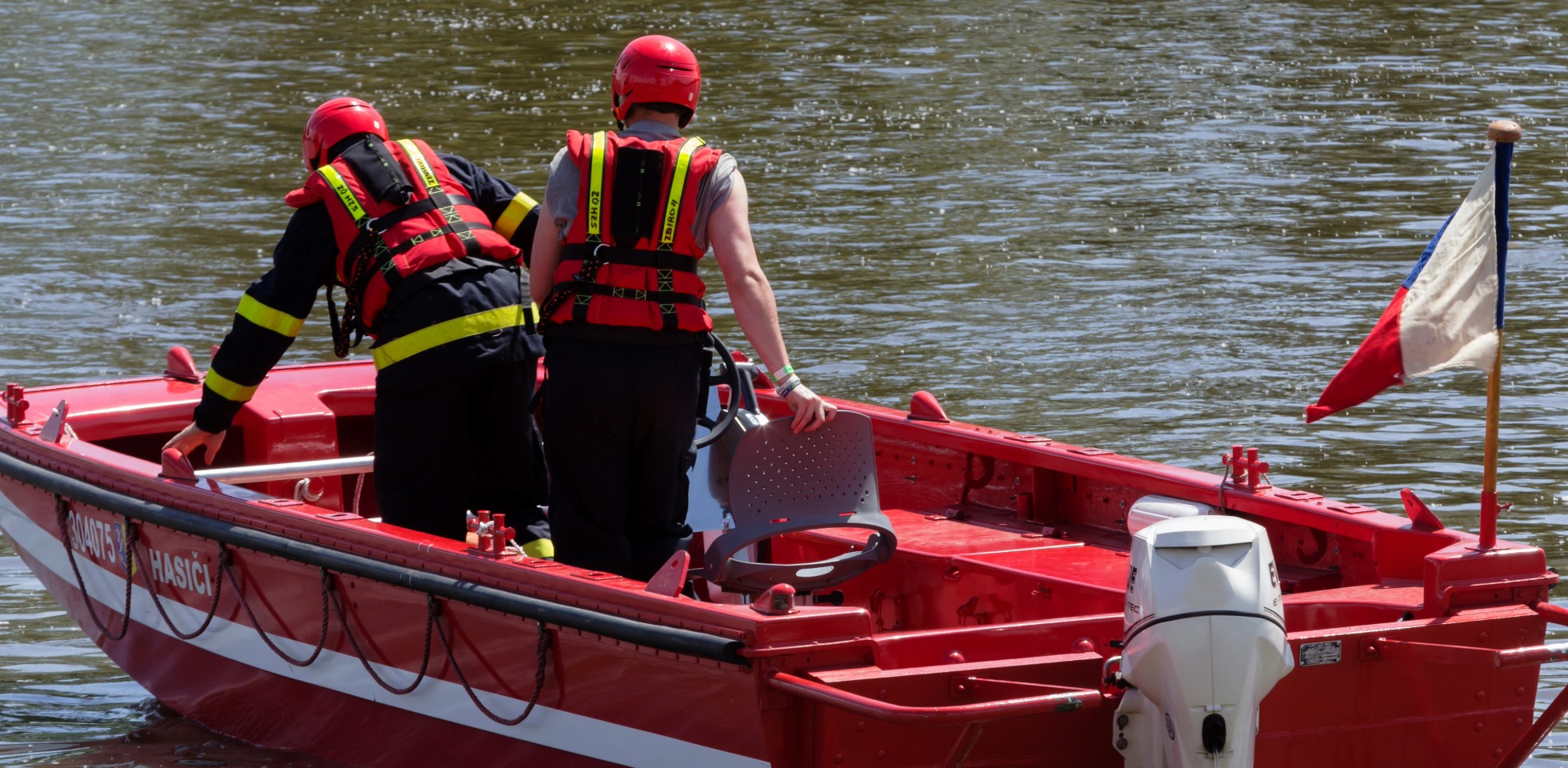
New Jersey offers some of the most beautiful and heavily trafficked waterways in the country.
Practice Area
New Jersey Boat and Personal Watercraft Accident Lawyers
When a Day on the Water Turns into a Fight for Survival.
New Jersey offers some of the most beautiful and heavily trafficked waterways in the country.
- No Fee Unless We Win
- Free Case Review
- Trial-Ready Attorneys
- New Jersey Focused
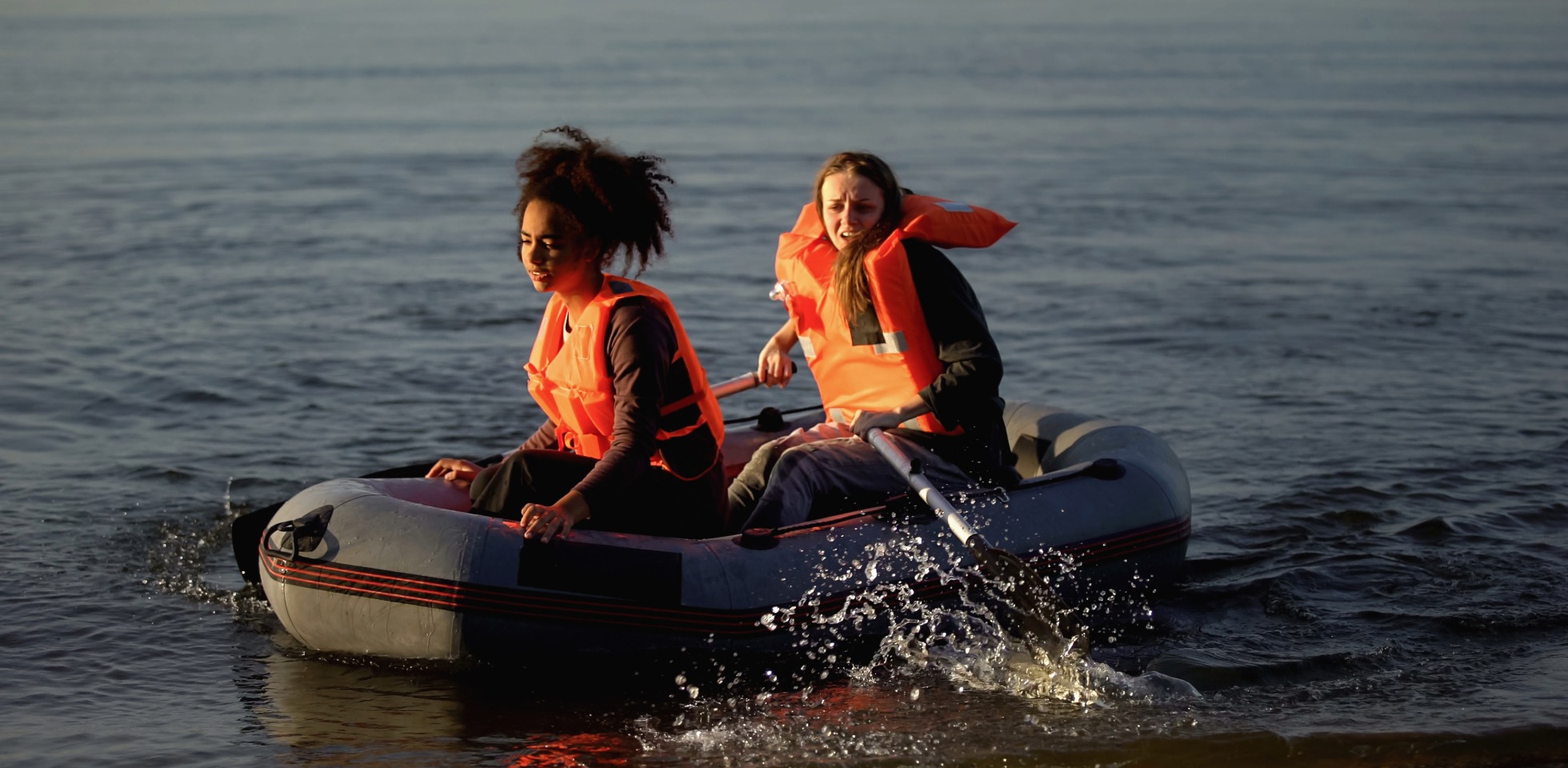
New Jersey offers some of the most beautiful and heavily trafficked waterways in the country. From the expansive Atlantic coastline and the crowded channels of Barnegat Bay to the high-speed traffic on the Hudson River and the recreational havens of Lake Hopatcong, boating is a cornerstone of the New Jersey summer experience.
Unfortunately, the open water provides a false sense of security. The combination of high-speed vessels, lack of designated lanes, unpredictable weather, and the pervasive culture of alcohol consumption on the water creates an incredibly dangerous environment. When a collision occurs on the water, the devastation is immediate. There are no seatbelts, no airbags, and no brakes. Passengers are violently thrown into bulkheads, struck by propellers, or ejected into open water, immediately turning a trauma event into a life-threatening drowning hazard.
If you or a loved one has been severely injured in a boating or Personal Watercraft (Jet Ski) accident, you are about to enter a highly complex legal jurisdiction. You are no longer dealing with standard traffic laws; you are navigating a maze of state marine statutes, federal Coast Guard regulations, and complex insurance loopholes. At Pinnacle Injury Law, we do not back down from these complexities. We are elite, trial-tested attorneys who know exactly how to investigate marine accidents, pierce through the maritime defense tactics, and hold negligent operators fully financially accountable.
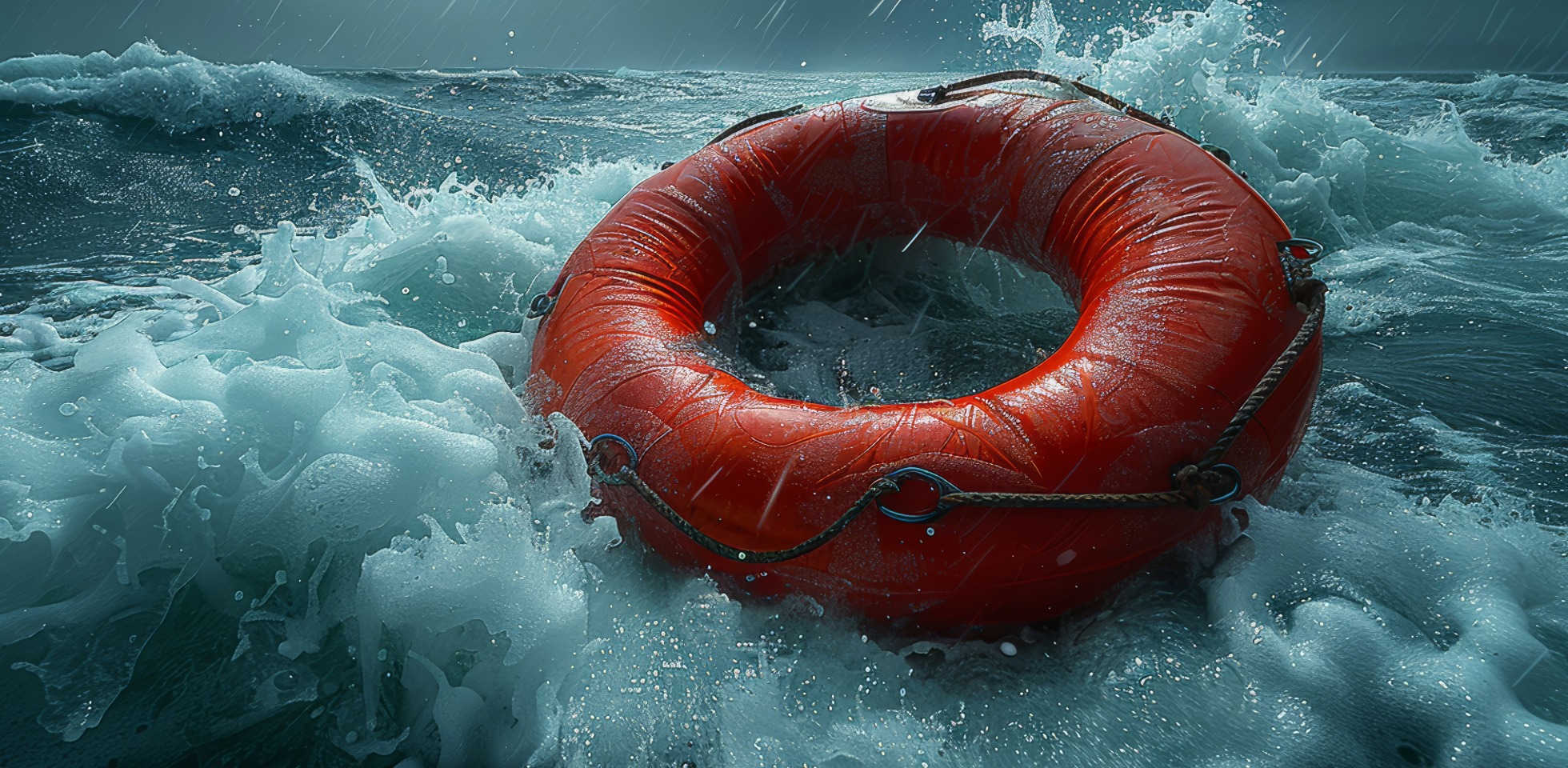
A boating accident is fundamentally different from a car crash on the Garden State Parkway. To successfully litigate a marine injury, your attorney must understand the unique physics and operational hazards of the water:
No Brakes or Friction
Boats do not have brakes. They rely on reverse thrust and the friction of the water to slow down, meaning stopping distances are massive and highly unpredictable.
Lack of Passenger Restraints
Passengers on a boat are typically walking around, sitting on the bow, or standing at the stern. In the event of a sudden impact or a violent wake crossing, unrestrained passengers are easily launched through the air, resulting in severe blunt-force trauma against the fiberglass hull.
The Elements
A sudden change in weather, a blinding sun glare on the water, or massive wakes generated by larger commercial vessels can instantly capsize a smaller boat or throw a Jet Ski operator off balance.
Propeller Strikes
When passengers are thrown overboard, they are placed in immediate, terrifying proximity to the vessel’s rapidly spinning propellers, frequently resulting in catastrophic lacerations, amputations, and fatal trauma.

While New Jersey requires a Boat Safety Certificate to operate a motorized vessel, the level of training required is a fraction of what is needed to obtain a driver’s license. Many operators on the water simply do not understand the "Rules of the Road" for maritime navigation.
Our investigative team frequently uncovers that catastrophic boating accidents are caused by gross operator negligence, including:
Inattention and Distraction
The operator is talking to passengers, managing a stereo system, or looking at a cell phone instead of watching for swimmers, buoys, or approaching vessels.
Speeding and Wake Jumping
Operating a boat at an unsafe speed for the current water conditions, or a Jet Ski operator recklessly jumping the wake of a larger yacht and losing control in mid-air.
Overcrowding and Overloading
Ignoring the vessel’s maximum capacity plate, causing the boat to sit too low in the water, become dangerously unstable, and easily capsize.
Inexperienced Jet Ski Rentals
Tourists renting high-powered Personal Watercraft (WaveRunners/Jet Skis) with zero prior experience, leading to terrifying collisions with docks, bulkheads, or other swimmers.
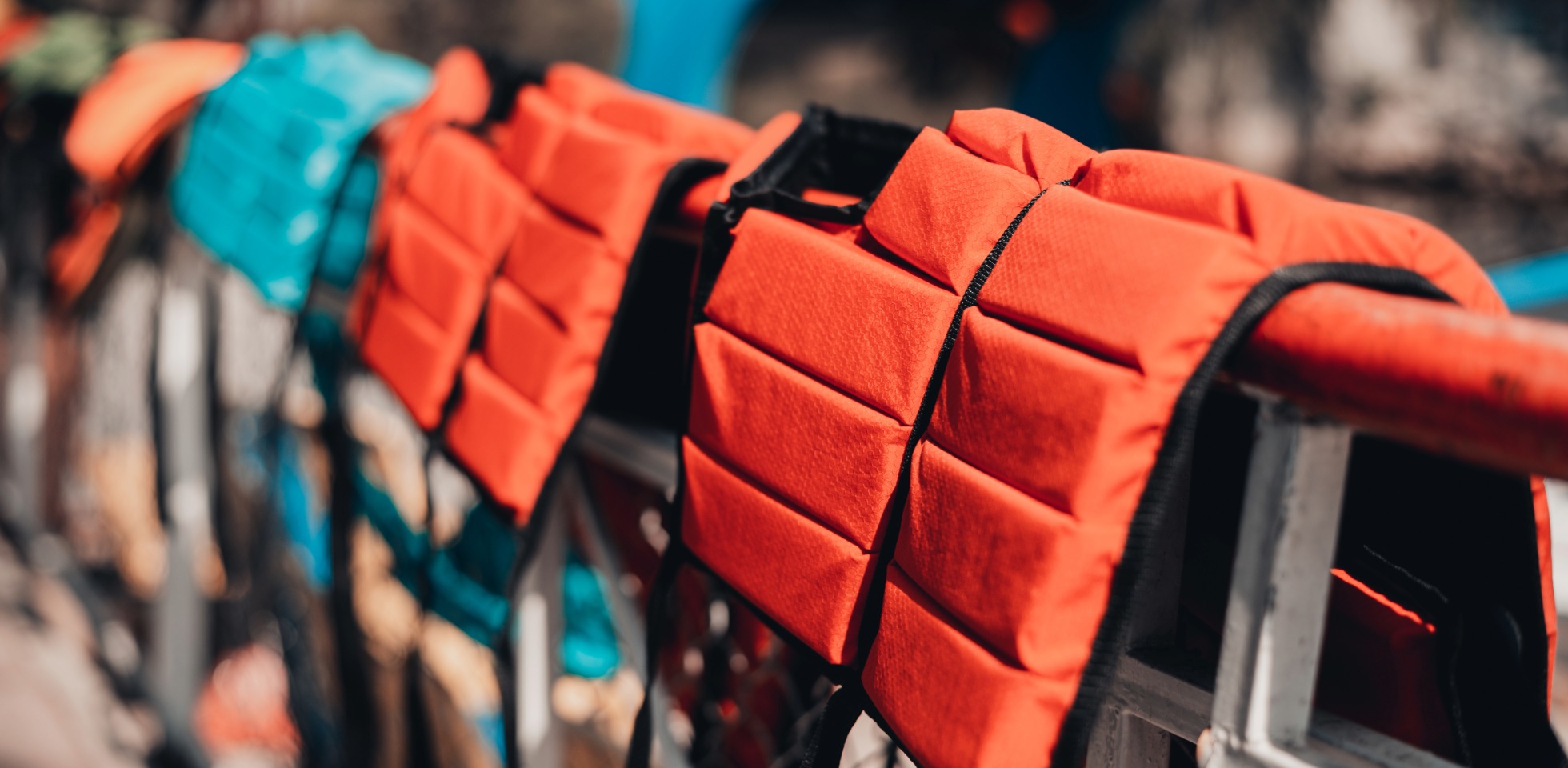
Alcohol and boating are a deadly, pervasive combination. In New Jersey, operating a vessel under the influence of alcohol or drugs is heavily prosecuted under N.J.S.A. 12:7-46. The legal blood alcohol concentration (BAC) limit is 0.08%—the exact same limit as driving a car.
However, the effects of alcohol are severely magnified on the water. The combination of constant engine vibration, blinding sun, dehydration, and the rocking motion of the waves causes "boater’s fatigue." When alcohol is introduced to this environment, an operator’s reaction time, peripheral vision, and judgment deteriorate rapidly.
If your accident was caused by an intoxicated boater, Pinnacle Injury Law takes aggressive civil action. We utilize the New Jersey State Police Marine Services Bureau’s accident reports, blood toxicology results, and witness testimony to demand maximum compensatory damages, and we fiercely pursue punitive damages to punish the operator for their reckless, criminal disregard for human life.
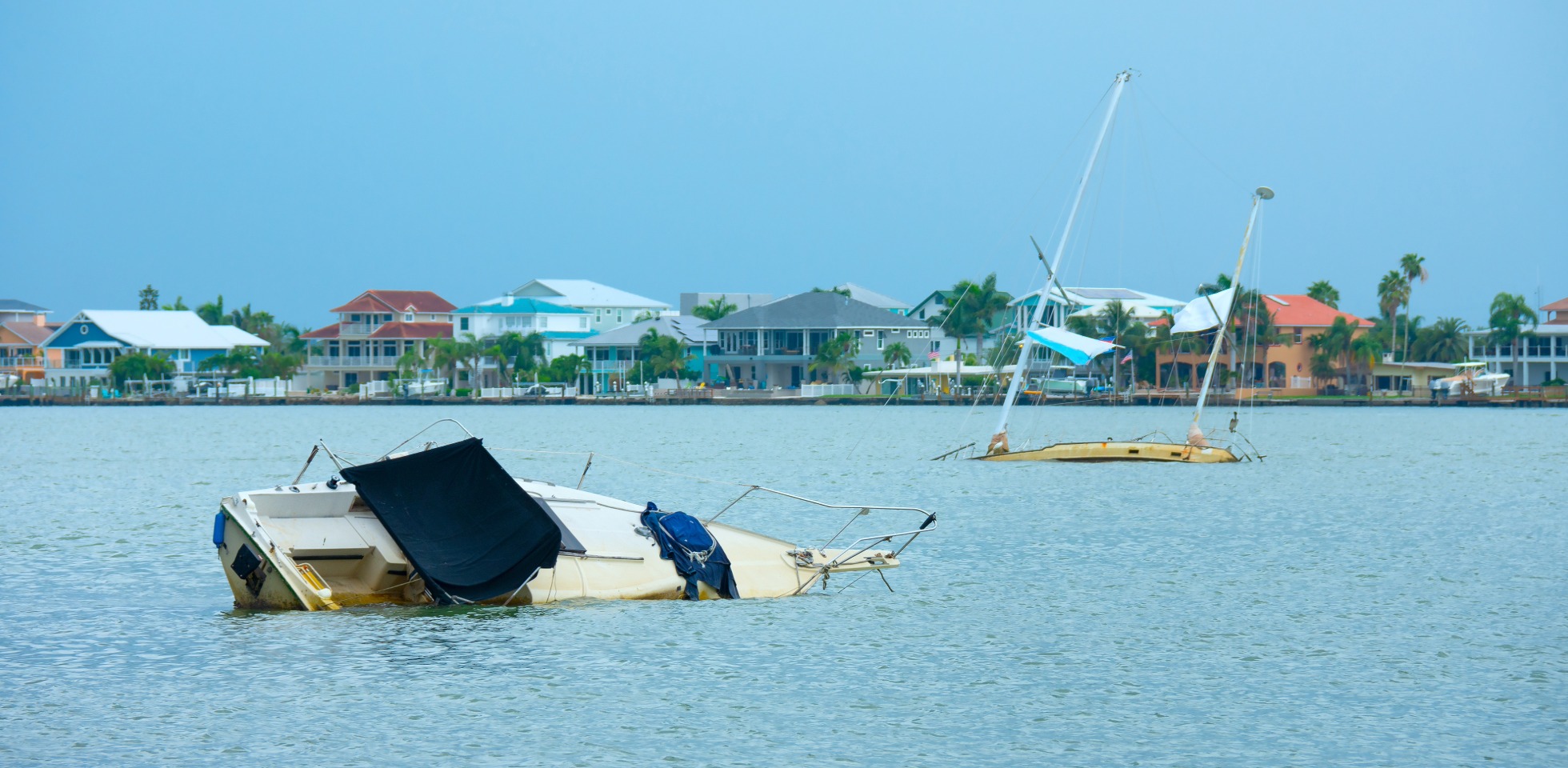
Securing financial compensation after a boating accident is notoriously difficult for one primary reason: New Jersey does not universally mandate that boat owners carry liability insurance. While marinas often require insurance for a boat to be docked there, and banks require it if the boat is financed, an older, paid-off boat kept on a trailer in a driveway may be completely uninsured. If an uninsured boater hits you, recovering damages becomes a highly complex legal puzzle.
The attorneys at Pinnacle Injury Law leave no stone unturned when searching for coverage. We aggressively investigate all potential avenues of compensation, including:
The Operator’s Boat Insurance
If they have a marine policy, we relentlessly pursue the maximum policy limits.
Homeowner’s or Umbrella Policies
In many cases, a negligent boater’s homeowner's insurance or personal umbrella policy may provide liability coverage for accidents caused on the water.
Your Own Uninsured Boater Coverage
If you have your own boat insurance policy, we can frequently pivot and file a claim against your own Uninsured Watercraft coverage to ensure your medical bills are paid.
Commercial Liability
If the accident involved a rented boat or Jet Ski, we will investigate the rental company. If they rented a defective vessel or handed the keys to an obviously intoxicated or underage patron, we will file a lawsuit against their multi-million dollar commercial policy.
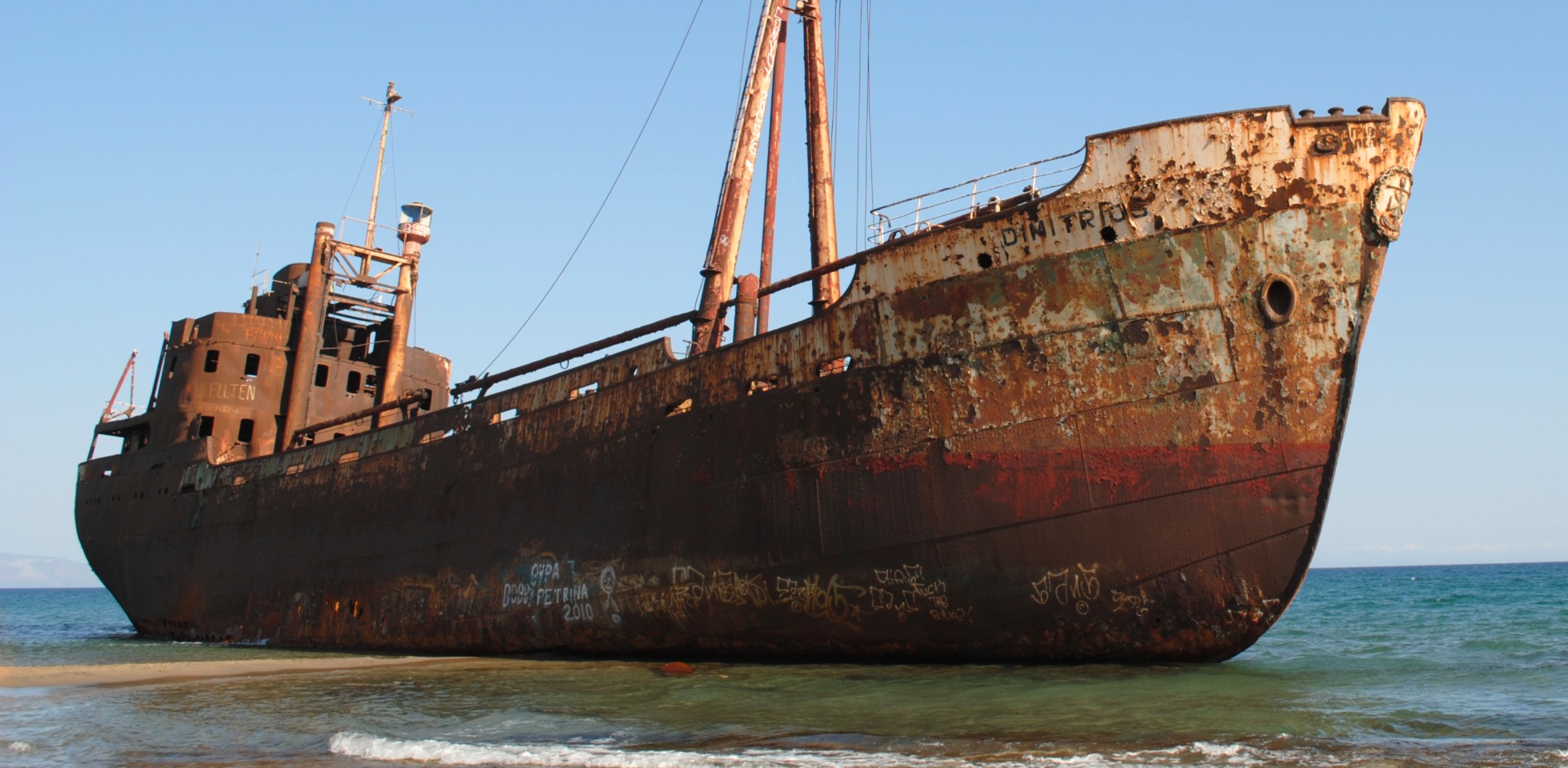
Depending on exactly where the accident occurred, your case may be governed by state law or by Federal Admiralty and Maritime Law. If the crash happened on "navigable waters" (waterways that facilitate interstate or international commerce, such as the Atlantic Ocean or the Hudson River), federal maritime rules may apply.
Maritime law is an ancient, highly complex legal doctrine that heavily favors boat owners. For example, under the federal Limitation of Liability Act, a boat owner can sometimes attempt to limit their financial liability for a crash strictly to the post-accident value of the vessel. If the boat sank, they may try to argue they owe you nothing. Pinnacle Injury Law knows how to defeat these archaic maritime defenses and keep your case firmly grounded in the pursuit of full, uncompromising justice.
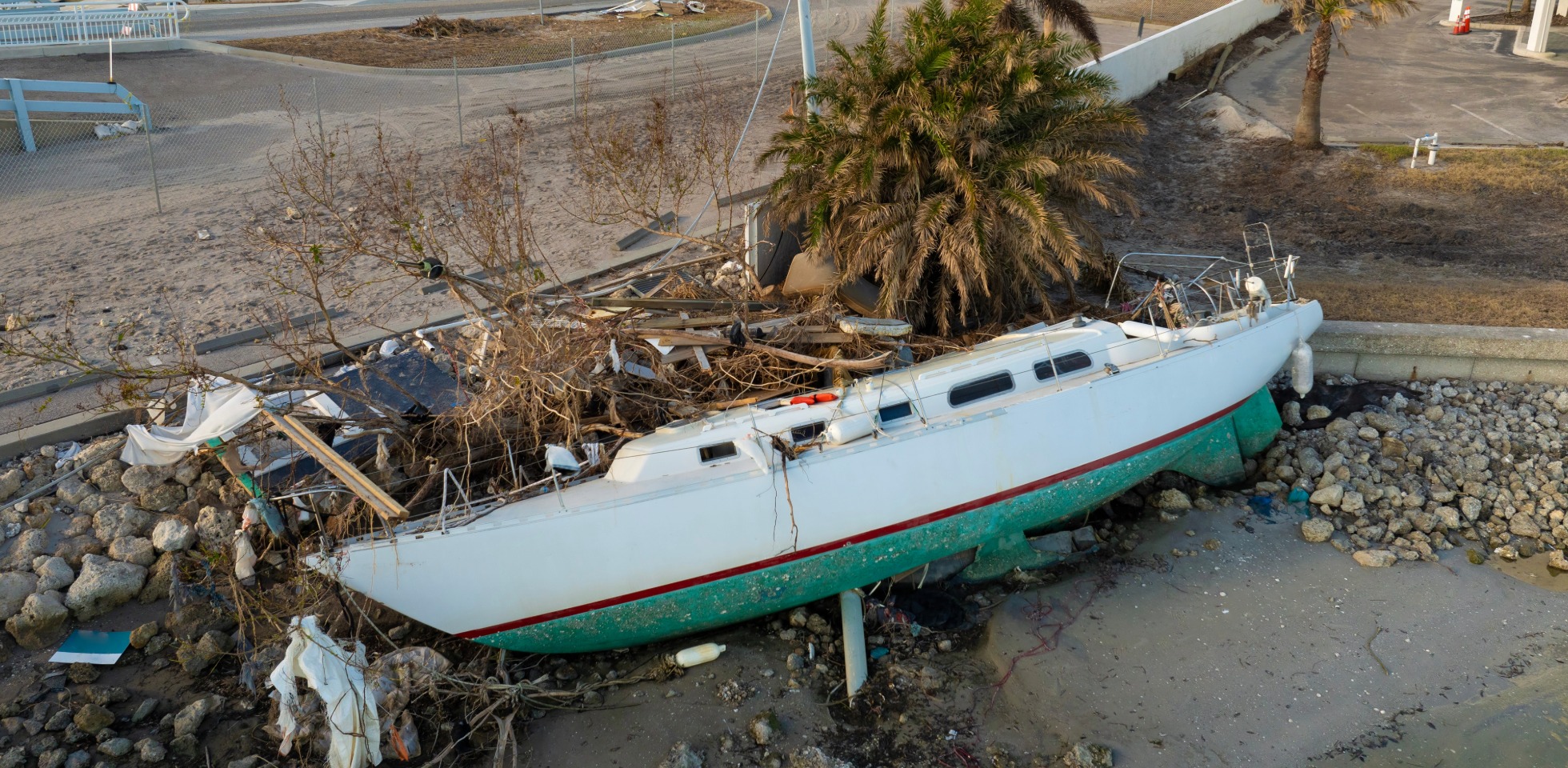
The injuries sustained in boating accidents are rarely minor. The combination of high-speed blunt force trauma and the immediate risk of drowning frequently results in traumatic brain injuries (TBIs), severe spinal cord damage, shattered pelvises, deep lacerations, and hypoxic (lack of oxygen) brain damage.
The insurance companies representing boat owners will deploy rapid-response teams to the marina to protect their assets. They will attempt to blame the weather, a mechanical failure, or even blame you for not holding on tightly enough.
Do not sign a statement or accept a fast settlement. At Pinnacle Injury Law, we prepare your case for trial from the very beginning. We work with marine accident reconstructionists, life-care planners, and forensic economists to accurately project the total, lifelong cost of your injuries. We demand absolute maximum compensation for your past and future surgeries, specialized rehabilitation, lost earning capacity, and the profound physical and emotional trauma you have endured.
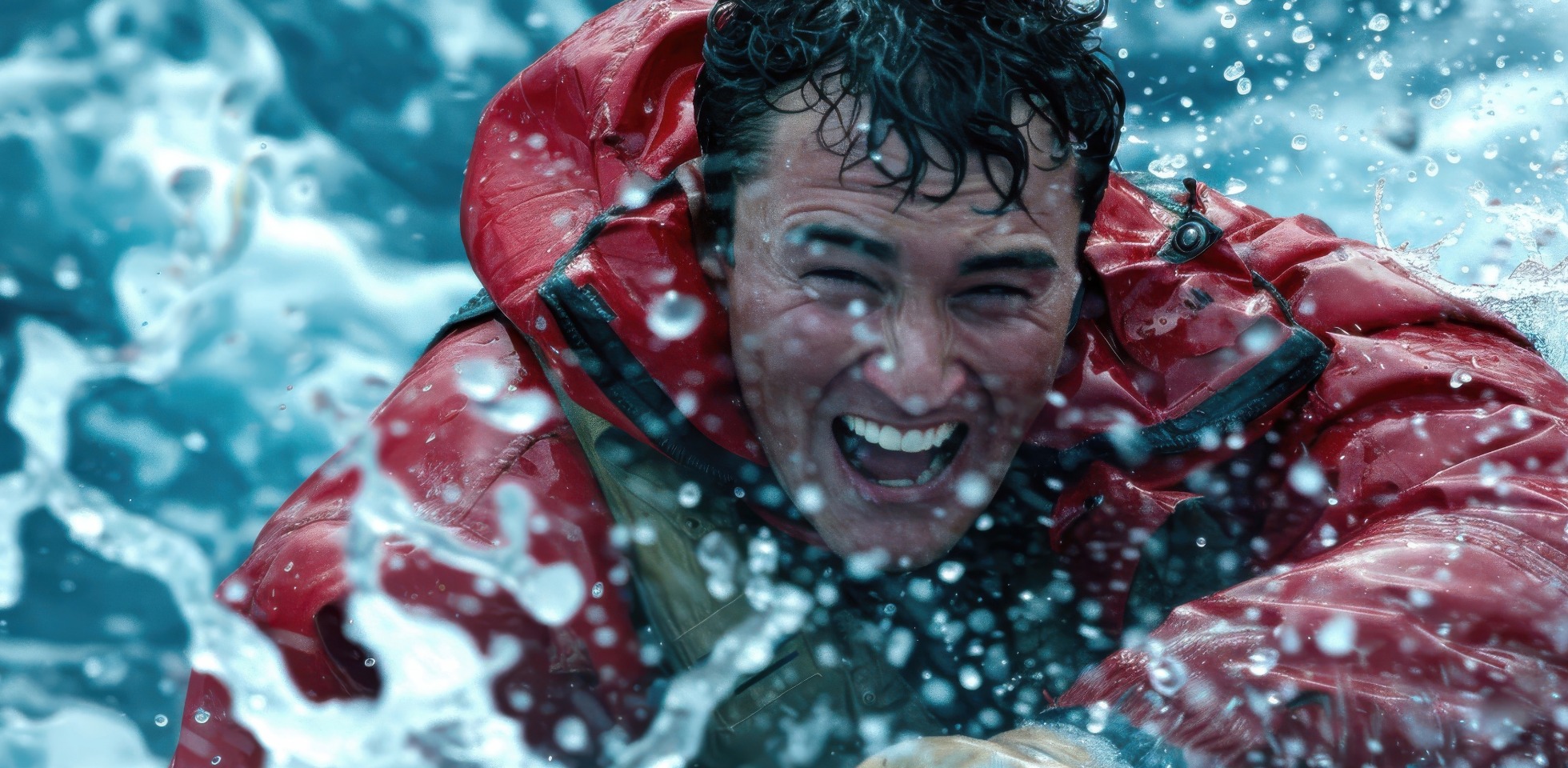
In a boating accident, evidence literally washes away. Damaged boats are quickly pulled from the water and repaired, GPS and chartplotter data is erased, and witnesses return to their home states.
You must act immediately. Protect your health and your financial future by contacting Pinnacle Injury Law today at 1 (800) 434-3799 or by filling out our online contact form to schedule a free, fully confidential consultation. We operate exclusively on a contingency fee basis. We advance all costs to investigate your marine accident, and you pay us absolutely no legal fees unless we secure a financial victory on your behalf.

A boating accident is fundamentally different from a car crash on the Garden State Parkway. To successfully litigate a marine injury, your attorney must understand the unique physics and operational hazards of the water:
While New Jersey requires a Boat Safety Certificate to operate a motorized vessel, the level of training required is a fraction of what is needed to obtain a driver’s license.
Alcohol and boating are a deadly, pervasive combination. In New Jersey, operating a vessel under the influence of alcohol or drugs is heavily prosecuted under N.J.S.A. 12:7-46.
Securing financial compensation after a boating accident is notoriously difficult for one primary reason: New Jersey does not universally mandate that boat owners carry liability insurance.
When a Day on the Water Turns into a Fight for Survival.
If you are dealing with the aftermath described on this page, Pinnacle Injury Law can review what happened, what evidence may matter, and what next steps may be available.