
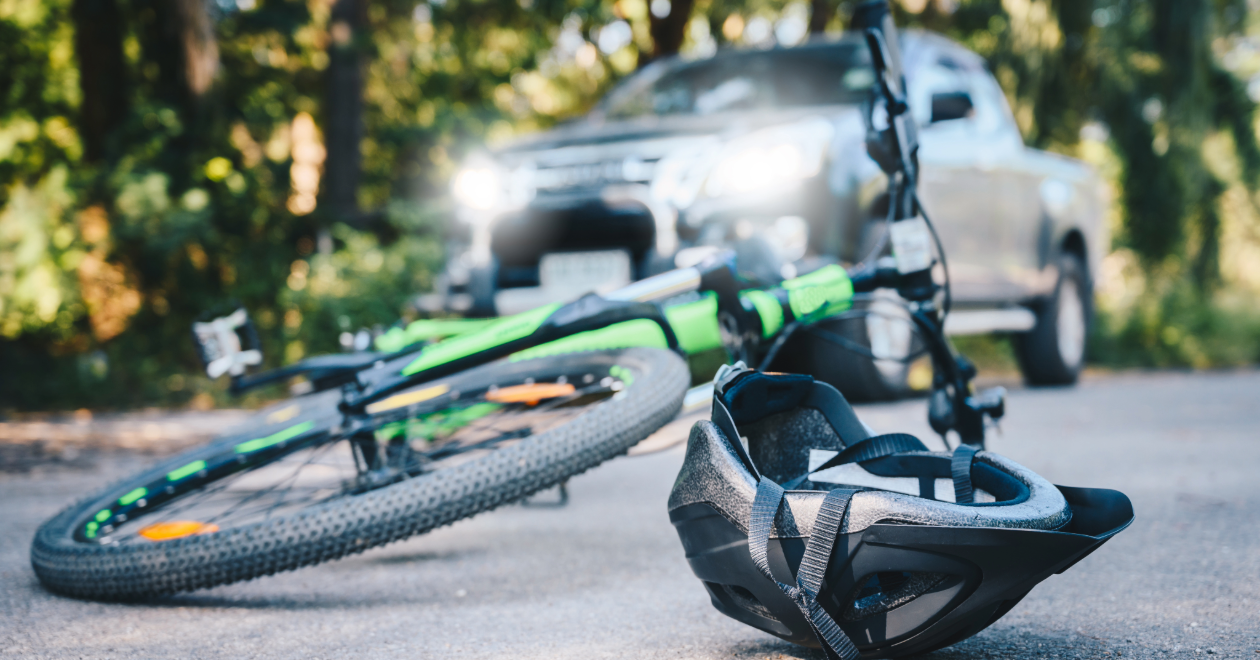
1. Prioritize Your Health and Safety
Get to Safety: If you are physically able, move yourself and your bicycle out of the roadway to prevent further harm.
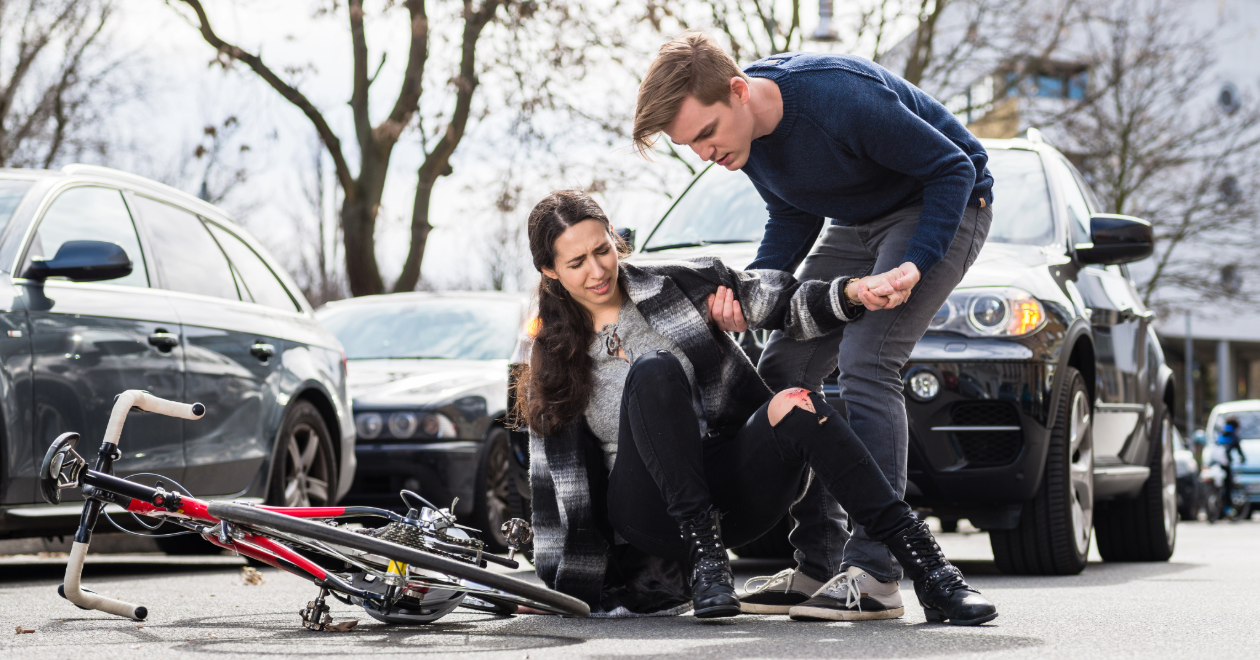
Call 911: Always call the police to the scene, even if the accident seems minor. You will need an official police report. Request an ambulance if you or anyone else is injured.
Seek Medical Attention Immediately: Adrenaline can mask severe injuries. Even if you feel okay, it is vital to get evaluated by a medical professional. Prompt medical records also serve as crucial evidence that your injuries were a direct result of the crash.
2. Gather Crucial Information
Driver Details: Collect the driver’s name, phone number, address, driver's license number, and insurance information.
Vehicle Details: Note the make, model, color, and license plate number of the vehicle that hit you.
Witness Contacts: If anyone saw the accident, get their names and phone numbers. Independent witness statements can be invaluable if the driver changes their story later.
3. Document the Crash Scene
Take Photos and Videos: If you are able, use your phone to photograph everything. Capture the damage to your bicycle, the vehicle involved, your visible injuries, road conditions, weather, traffic signs, and the overall layout of the intersection or street.
Note the Details: Jot down your recollection of exactly what happened while it is still fresh in your mind.
4. Preserve Your Evidence
Leave Your Gear As-Is: Do not fix your bicycle, wash your torn or bloodied clothing, or throw away your damaged helmet. Keep all of these items in the exact condition they were in immediately following the crash.
Document Your Recovery: Keep a detailed file of all medical bills, doctor's visit summaries, out-of-pocket expenses, and records of any missed days of work.
5. Protect Your Legal Rights
Limit Your Communication: Do not apologize or admit fault at the scene. When speaking to the police, stick strictly to the objective facts of what happened.
Be Cautious with Insurance Companies: You will need to report the accident to your insurance, but avoid giving a recorded statement to the driver’s insurance company before you have sought legal counsel.
Consult a Professional: Speak with a personal injury attorney who handles bicycle accidents. They can communicate with the insurance adjusters on your behalf and ensure you are not pressured into accepting a lowball settlement.
New Jersey Bicycle Accident Lawyers
The Road Belongs to Bicycles, Too. We Hold Negligent Drivers Accountable.
- No Fee Unless You Win
- Free Case Review
- Trial-Ready Attorneys
- New Jersey Focused

Cycling in New Jersey is increasingly popular, whether for commuting through dense urban centers like Jersey City and Hoboken, training on the scenic routes of the Skylands, or enjoying the coastal roads of the Shore. Under New Jersey law, bicycles are not second-class vehicles; cyclists have the exact same rights—and the exact same right to safety—as any car or truck on the road.
Unfortunately, too many drivers fail to respect this right. When a negligent, distracted, or aggressive driver collides with a bicyclist, the results are almost always catastrophic. Without a steel frame, airbags, or seatbelts to protect you, you absorb the full, devastating impact of a multi-ton machine.
The physical pain of a cycling accident is only the beginning. You are suddenly thrust into a chaotic maze of hospital bills, missed work, and insurance adjusters who are trained to deny your claim. You do not have to fight this battle alone. At Pinnacle Injury Law, our elite trial attorneys step in to shield you from the insurance companies, secure critical evidence, and demand the maximum financial compensation you need to rebuild your life.
When a car hits a bicycle, the driver’s immediate instinct is almost always to blame the victim. We frequently hear drivers tell the police: "They came out of nowhere," "They swerved into my lane," or "They weren’t wearing bright enough clothing." Worse, police reports sometimes reflect this driver-centric bias, especially if the cyclist is too severely injured to give their side of the story at the scene. The driver's insurance company will rapidly weaponize this bias to trigger New Jersey’s Modified Comparative Negligence law, attempting to prove you were at fault to reduce or entirely eliminate the money they owe you.
At Pinnacle Injury Law, we aggressively dismantle this bias. We do not let the driver's narrative dictate your case. We immediately deploy our investigative team to:
Canvass for Video Evidence
We regularly subpoena videos from residential ring cameras, commercial security footage, and OPRA request videos that may be in the possession of the town or city, such as intersection cameras before the footage is automatically overwritten.
Analyze Digital Data
It is important to gather any and all evidence that can help your case. This includes utilizing your GPS cycling computer (like Garmin or Wahoo) or fitness apps on your watch or phone to help prove your exact speed, location, and right-of-way at the moment of impact.
Work with Reconstruction Specialists
When appropriate, our attorneys can consult and retain forensic experts to re-construct the accident. This includes analyzing vehicle crush damage, bicycle frame stress points, and roadway skid marks to scientifically reconstruct the crash and prove the driver’s negligence.
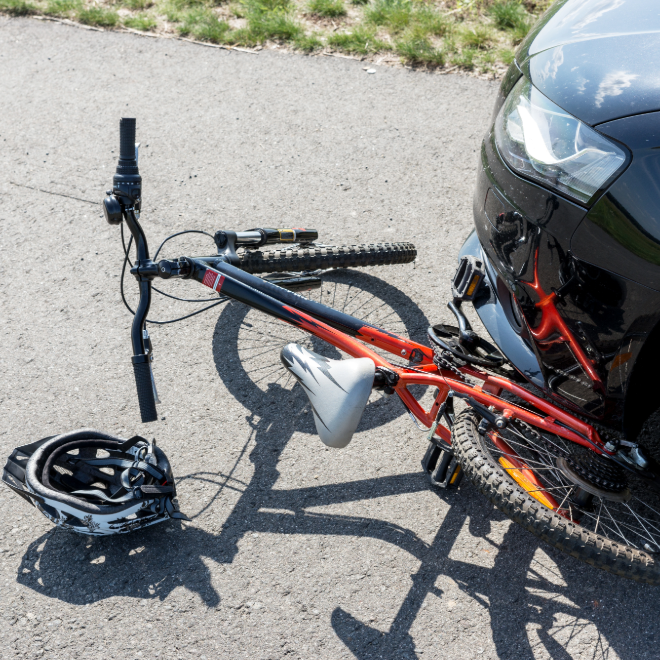
Our attorneys have extensive experience litigating the specific traffic patterns that lead to severe cycling injuries. The vast majority of these crashes are entirely preventable and stem from driver inattention. Common scenarios include:
The "Right Hook"
A driver passes a cyclist on the left, then immediately makes a sharp right turn directly across the cyclist's path, cutting them off and causing a high-speed collision.
The "Left Cross"
An oncoming driver turning left fails to gauge the speed of an approaching cyclist—or fails to look for them altogether—and turns directly into them.
"Dooring"
In urban environments, drivers or passengers of parked cars recklessly fling their doors open into the bike lane without checking their mirrors, giving the cyclist no time to stop or swerve.
Sideswiping
Drivers failing to provide the legally required safe passing distance, running the cyclist off the road or clipping their handlebars.
Distracted Driving
Drivers drifting into designated bike lanes or onto the shoulder because they are texting, eating, or looking at a GPS.
One of the most confusing aspects of a New Jersey bicycle accident is figuring out who pays your medical bills. Because you were not in a car, you might assume the at-fault driver’s insurance pays your hospital bills directly. Under New Jersey’s complex "No-Fault" system, this is usually not the case.
When a bicyclist is struck by a motor vehicle in New Jersey, they are legally treated similarly to a pedestrian for insurance purposes. This means:

Your Own Auto Insurance Pays First
Even though you were on a bicycle, your medical bills are generally paid by the Personal Injury Protection (PIP) coverage on your own auto insurance policy (or the policy of a resident relative).
If You Do Not Have Auto Insurance
If you do not own a car and do not live with a family member who does, your medical bills will typically be covered by the PIP policy of the driver who hit you.
The PLIGA Safety Net
If the driver who hit you was uninsured, or if it was a hit-and-run, we can help you file a claim through the New Jersey Property-Liability Insurance Guaranty Association (PLIGA) to ensure your bills are covered.
Furthermore, if you have your own auto insurance policy, the lawsuit option you selected—specifically the Limitation on Lawsuit (Verbal Threshold)—may still apply to you even though you were injured on a bicycle. This means you must prove your injuries meet a specific statutory severity to sue for pain and suffering. The attorneys at Pinnacle Injury Law know exactly how to gather the required medical evidence to pierce this threshold and validate your claim.
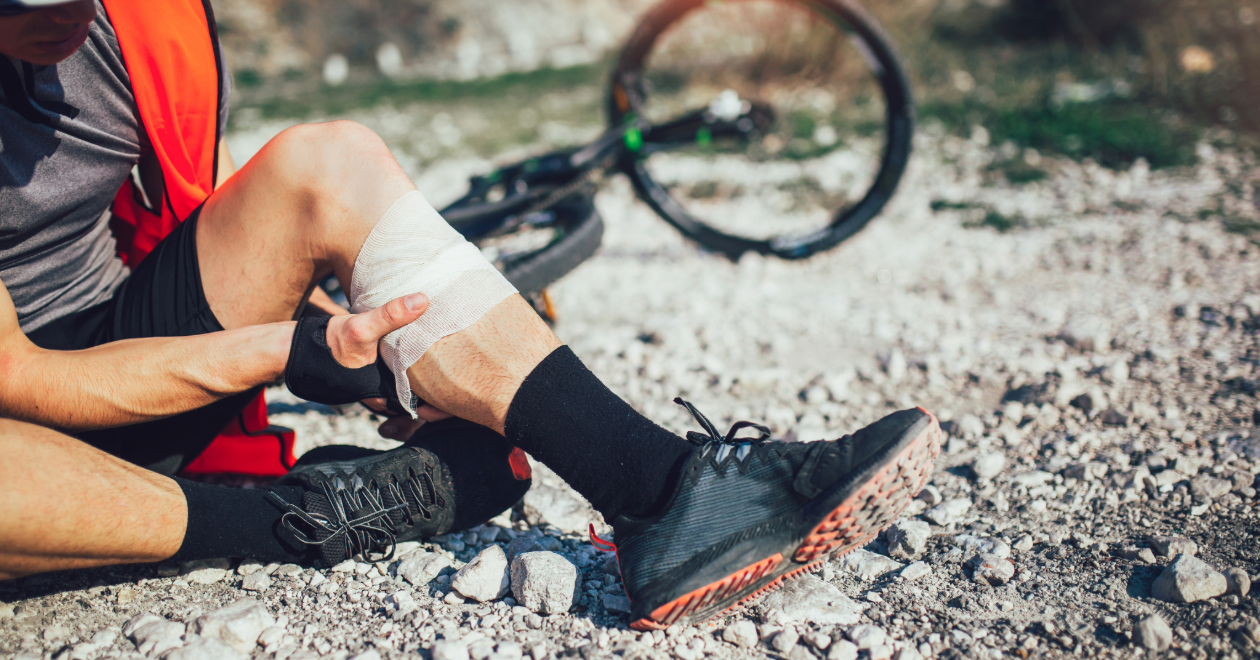
A helmet can save your life, but it cannot prevent a fractured spine or shattered limbs. The injuries sustained in bicycle accidents are frequently life-altering. We routinely represent clients suffering from traumatic brain injuries (TBI), spinal cord trauma, crushed pelvises, severe friction burns (road rash) requiring skin grafts, and complex fractures that require surgical hardware.
The insurance company will attempt to minimize the severity of your injuries to save money. They will offer a quick settlement that fails to account for the physical therapy you will need next year, or the fact that you may never be able to return to your previous profession.
At Pinnacle Injury Law, we prepare every case as if it is going to trial. We partner with top medical specialists and forensic economists to build a comprehensive Life Care Plan, ensuring we demand maximum compensation for:
- Past and future medical bills, surgeries, and specialized rehabilitation.
- Lost wages and total loss of future earning capacity.
- Physical pain, emotional trauma, and the profound loss of enjoyment of life.
- The cost of a replacement bicycle and damaged cycling gear.
Sometimes, the at-fault party is not a driver, but the government entity responsible for maintaining the road. If your crash was caused by a massive, un-repaired pothole, an improperly designed intersection, or an un-notified construction zone, you may have a claim against the city, county, or state.
However, under the New Jersey Tort Claims Act, you must file a formal Notice of Claim against a public entity within 90 days of the accident. If you miss this deadline, you lose your right to sue forever.
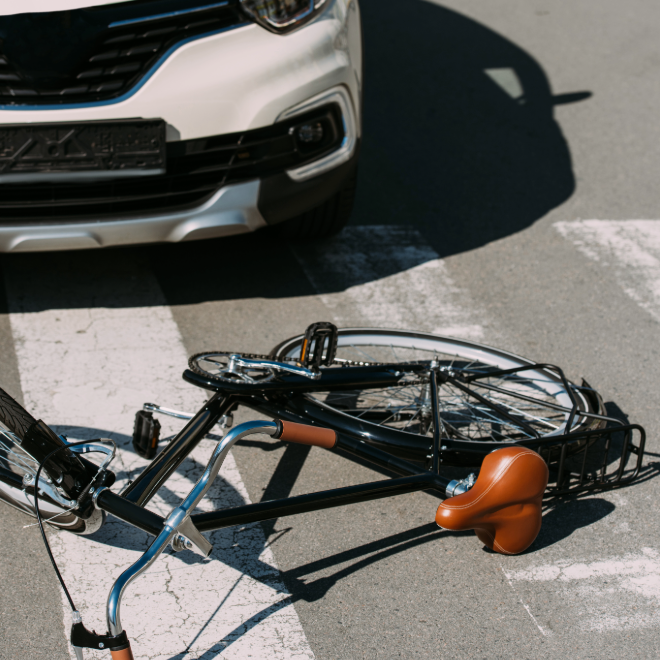

Do not let a negligent driver or an aggressive insurance adjuster dictate your physical and financial recovery. The moment you hire Pinnacle Injury Law, we take over the legal burden so you can focus entirely on healing.
Call us today at (201) 265-4500 or fill out our online contact form for a free, fully confidential case evaluation. We operate exclusively on a contingency fee basis. We advance all costs for investigations and expert witnesses, and you pay us absolutely nothing unless we secure a financial recovery for you.

The "blame the cyclist" bias—often referred to as "windshield bias"—is the pervasive psychological and systemic tendency to default to the assumption that a cyclist is at fault when involved in a collision with a motor vehicle.
Overcoming this bias is critically important because it distorts everything from immediate crash investigations to long-term urban planning.
The vast majority of these crashes are entirely preventable and stem from driver inattention. Bicycle accidents in New Jersey are frequently the result of motorist negligence. Because bicycles are smaller, less visible, and lack the protective shell of a motor vehicle, riders are particularly vulnerable on the road.
In New Jersey's no-fault system, a bicyclist struck by a motor vehicle is classified as a "pedestrian" under N.J.S.A. 39:6A-4. So even though you were riding a bike, your own auto insurance policy is the primary payer. Because of this, medical bills are routed through Personal Injury Protection (PIP) before any third-party liability is considered. PIP covers emergency care, ongoing treatment, and rehabilitation up to the policy's chosen limit.
Demanding maximum compensation for bicycle accident victims is essential because the injuries sustained in bicycle accidents are frequently life-altering. Bicyclists have minimal protection against thousands of pounds of moving steel, meaning even low-speed impacts can result in catastrophic damage
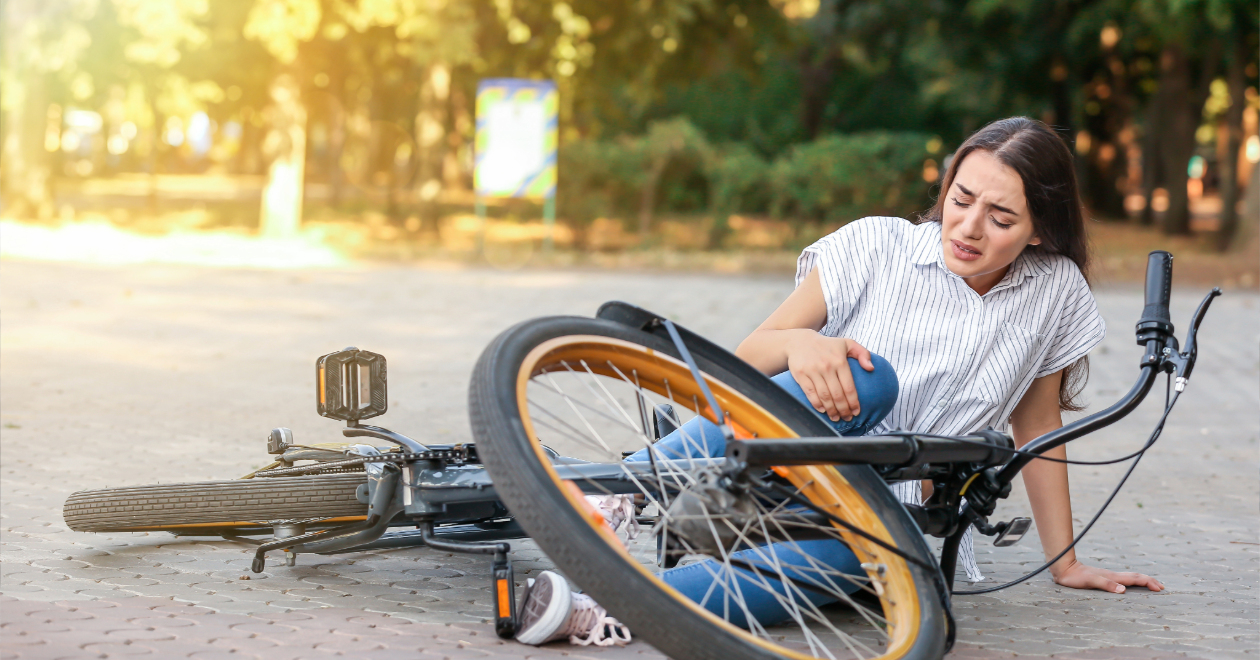
The Road Belongs to You, Too. We Hold Negligent Drivers Accountable.
If you are dealing with the aftermath described on this page, Pinnacle Injury Law can review what happened, what evidence may matter, and what next steps may be available.